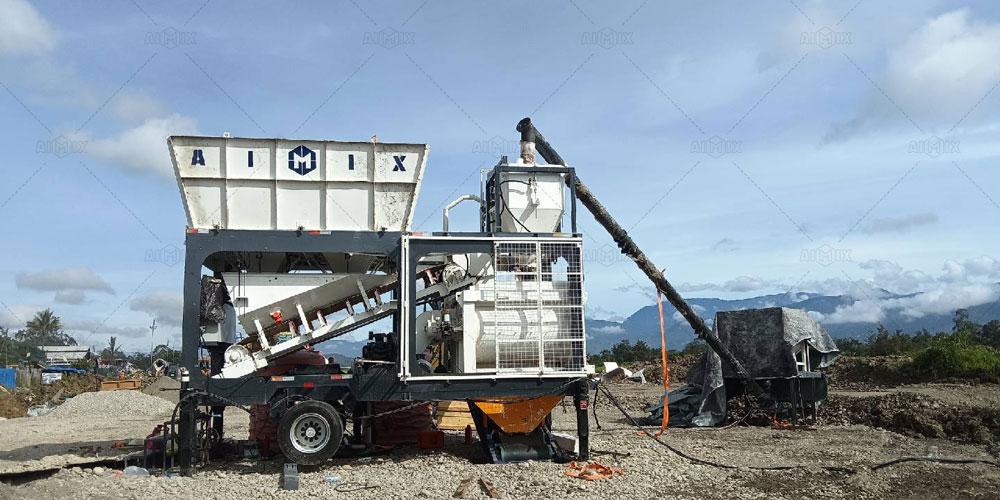
Setting up a ready mix concrete plant is a complex orchestration of mechanical, electrical, and software components. It is a high-stakes process where even a minor misstep can cascade into significant operational delays, costly rework, and long-term performance issues. In the midst of this intricate dance, the control cabinet—the plant's central nervous system—often emerges as a primary source of installation headaches. However, the advent of pre-engineered, plug-and-play control cabinets is fundamentally transforming this landscape. These integrated, factory-tested solutions are engineered to streamline the setup process, dramatically reducing the margin for human error and getting ready mix concrete plants online faster and more reliably than ever before. This article explores the myriad ways these sophisticated systems are revolutionizing the installation phase of ready mix operations.
Streamlining a Complex Installation Process
The conventional method of wiring and configuring a control cabinet on-site is a time-consuming and error-prone undertaking. It’s a process fraught with challenges that can be overwhelming for even the most seasoned electricians. Plug-and-play cabinets offer a powerful alternative by shifting the majority of the work to a controlled factory environment.
Precision Engineering in a Controlled Environment
Think of a plug-and-play cabinet as a meticulously pre-assembled puzzle. In a factory setting, skilled technicians with specialized tools and testing equipment assemble every component. Every wire is precisely cut, stripped, and terminated according to a detailed schematic. This environment is clean, well-lit, and free from the distractions and hazards of a busy construction site. By moving this intricate work away from the job site, the potential for errors caused by dust, moisture, or simple human oversight is drastically minimized. The result is a cabinet that arrives on-site as a fully functional, tested, and verified unit, rather than a collection of parts that need to be deciphered and assembled.

Eliminating the 'Stakeholder Friction' of On-Site Wiring
On-site wiring is not just technically demanding; it's also a logistical headache. It typically requires a team of highly specialized electricians working in cramped conditions, often while other trades are trying to complete their own tasks. This creates a significant bottleneck in the installation timeline. A plug-and-play cabinet changes this dynamic entirely. The stationary concrete plant installation consists of a simple process: position the cabinet, connect the main power supply, and link the pre-terminated cables to the field devices and motors. This dramatically reduces the need for on-site specialist labor and minimizes the time the cabinet is in the hands of multiple, potentially conflicting, stakeholders. The process becomes faster, simpler, and far less prone to communication breakdowns.
Ensuring System Integrity Through Factory Testing
One of the most significant advantages of a plug-and-play system is the rigorous testing it undergoes before it ever leaves the factory. This is a powerful form of quality assurance that is impossible to replicate in the field.
Rigorous Bench Testing and Simulation
Before a plug-and-play cabinet is shipped, it is connected to a simulated plant environment. Every input and output is checked, every relay is triggered, and every software sequence is verified. This is not a cursory power-up; it's a comprehensive performance audit that simulates real-world operating conditions. The manufacturer can identify and rectify any glitch in the software logic or any loose connection before the cabinet is crated. This bench testing process effectively eliminates the "first-power-on" surprises that are a common feature of traditional installations. The system is proven to work, which provides immense peace of mind and confidence to the installation team.
Ensuring Software and Hardware Harmony
A control cabinet is more than just its hardware; it is the physical host for the plant's operating software. Installing software and configuring a complex programmable logic controller (PLC) in the field is a task that is both highly specialized and fraught with potential for error. A slight mismatch in firmware versions or an incorrectly configured parameter can lead to the plant acting erratically. With a plug-and-play cabinet, the software is pre-loaded, configured, and tested with the specific hardware it will control. This guarantees that the software and hardware are perfectly in sync from day one. This harmony eliminates the frustrating and time-consuming process of troubleshooting compatibility issues, allowing the plant to be commissioned with remarkable speed.

Long-Term Benefits and Operational Resilience
The benefits of a plug-and-play approach extend far beyond the initial installation phase. The quality and organization inherent in these systems contribute to a more resilient and easier-to-maintain concrete batching plant for sale over its entire operational lifespan.
Simplified Troubleshooting and Maintenance
When a problem does occur in a plant, the ability to find and fix it quickly is paramount. Plug-and-play cabinets are designed with clear, organized wiring pathways and comprehensive documentation, often including a full set of schematics that perfectly match the physical layout. This organization makes troubleshooting significantly easier and faster. A maintenance technician can trace a circuit or identify a component with minimal effort, reducing downtime. In contrast, a hastily wired "spaghetti" cabinet can turn a simple repair into a lengthy and costly diagnostic nightmare, keeping the plant out of action for far too long.
Facilitating Simple Upgrades and Plant Scalability
A well-designed plug-and-play cabinet is not a dead-end; it's a platform for future growth. The modularity of the system means that adding a new function or an extra motor is often as simple as plugging in a new module and connecting a cable. The standardized, pre-engineered architecture of the cabinet makes it easier to plan for and implement upgrades. This is in stark contrast to a traditional cabinet, where adding new components often requires re-wiring large sections of the cabinet, which is expensive and disruptive. The plug-and-play cabinet, therefore, represents a future-proof investment that can adapt to the evolving needs of a growing business.


