
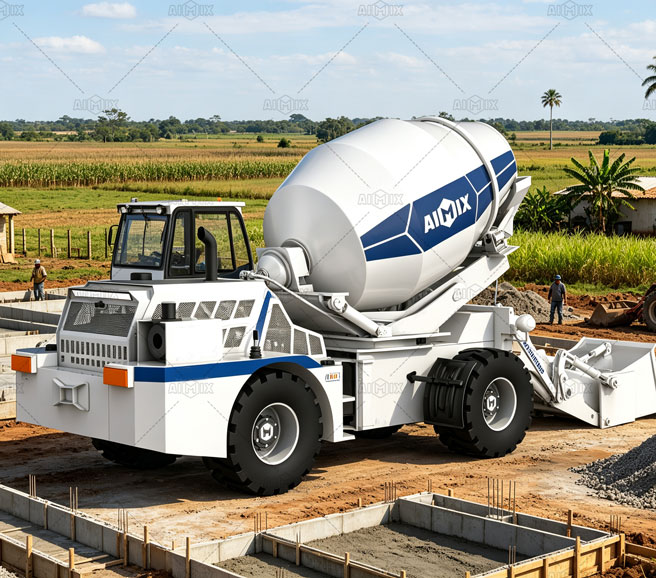
The Philippine archipelago, with its extensive coastline and over 7,000 islands, presents a uniquely corrosive environment for heavy machinery. Self loading concrete mixer for sale philippines , a vital asset for construction projects in these coastal regions, is particularly vulnerable to the relentless assault of saline air. The combination of high humidity, elevated temperatures, and the pervasive presence of chloride ions creates an electrochemical environment that accelerates the degradation of ferrous metals. This phenomenon, known as atmospheric corrosion, is not merely a cosmetic issue; it is a systemic threat to the structural integrity and operational reliability of the equipment. This article provides a technical analysis of the mechanisms of corrosion in coastal environments and delineates the imperative for robust corrosion protection protocols to safeguard these expensive assets.
1. The Mechanisms of Marine Atmospheric Corrosion
To appreciate the necessity of corrosion protection, one must first understand the physicochemical processes that initiate and propagate metal degradation in coastal zones. The marine atmosphere is a highly aggressive electrolyte.
Chloride Ion Ingress and the Depassivation of Steel
Steel, the primary structural material in concrete mixing equipment, owes its corrosion resistance to a microscopic, passive oxide layer that forms on its surface. This layer acts as a barrier, preventing the underlying iron from reacting with oxygen and water. However, chloride ions (Cl⁻), carried by sea spray and coastal fog, are highly aggressive penetrants. These ions are capable of diffusing through or breaking down this passive film at localized points. Once this passivity is breached, a galvanic cell is established. The exposed area becomes the anodic site, where iron dissolves into ferrous ions (Fe²⁺), while the surrounding, still-passive areas act as cathodes, consuming dissolved oxygen. This differential aeration accelerates the corrosion rate, leading to pitting and generalized wastage of the steel section.
The Synergistic Effect of Temperature and Humidity
The Philippines' tropical maritime climate compounds this problem. High ambient temperatures, often exceeding 30°C, significantly increase the kinetics of electrochemical reactions. For every 10°C rise in temperature, the corrosion rate can roughly double. Concurrently, the high relative humidity (often above 80%) ensures that the electrolyte layer on the steel surface remains conductive. The combination of elevated temperatures and high humidity creates a "corrosion cocktail" that is particularly pernicious for equipment that is not meticulously protected. This is further exacerbated by the phenomenon of "salt creep," where dried salt crystals on the machine's surface absorb atmospheric moisture, creating a perpetual, thin film of brine that maintains a continuous corrosive cycle.
2. Critical Vulnerabilities in Self Loading Mixers
Self loading concrete mixers possess specific design features and operational routines that render them particularly susceptible to accelerated corrosion. These vulnerabilities must be addressed with targeted protective measures.
Hydraulic Components and Actuator Mechanisms
The hydraulic cylinders, hoses, and control valves are amongst the most sensitive and expensive components of the self loading mixer. The constant articulation of the boom and the exposure of rod surfaces to the atmosphere make these critical elements prone to pitting corrosion. Pitting on a hydraulic cylinder rod creates an abrasive surface that rapidly degrades the rod seals, leading to fluid leakage and contamination of the hydraulic system. This failure mode is often catastrophic, necessitating costly disassembly and re-machining. Furthermore, the electrical connectors and sensors, if not sealed to a high Ingress Protection (IP) rating, can suffer from contact corrosion, leading to erroneous sensor readings and control system malfunctions.
The Chassis and Drum Rotation Assembly
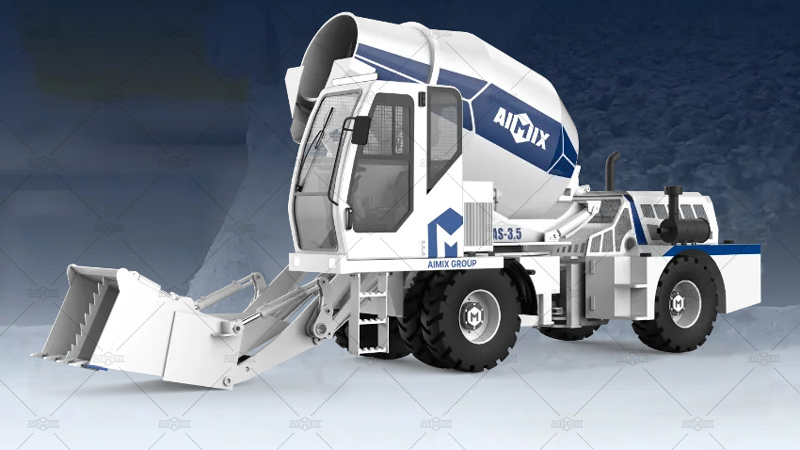
The main chassis, the aggregate hopper support frame, and the drum rotation mechanism are structural components that bear heavy loads and dynamic stresses. Corrosion-induced section loss in these areas compromises the safety and load-bearing capacity of the concrete mixing machine. The drum rotation assembly, with its intricate gearing and bearings, is particularly vulnerable to corrosion fatigue. When the protective grease layer is compromised by saltwater ingress, the bearings undergo spalling and failure. The cost of replacing a structurally compromised chassis or a seized drum bearing often exceeds the cost of implementing a rigorous protective coating system at the outset of the equipment's life.
3. Technical Strategies for Corrosion Mitigation
A multi-layered, systematic approach is required to effectively counter the corrosive forces of the coastal environment. This involves both preventative design measures and ongoing maintenance protocols.
Surface Preparation and Coating Systems
The foundation of any corrosion protection strategy is the application of a high-performance coating system. This involves a rigorous sequence of abrasive blasting to achieve a near-white metal surface finish (Sa 2½). This is followed by the application of a high-build epoxy primer, a mid-coat, and a durable polyurethane topcoat that offers UV resistance. The coating system must be applied to a dry film thickness (DFT) that is specified to withstand the aggressive marine environment. This provides a robust physical barrier that prevents the migration of chloride ions to the steel substrate.
Sacrificial Anodes and Periodic Maintenance
For submerged or semi-submerged components, such as the mixing drum's water injection system or the chassis undercarriage, the use of sacrificial anodes is a technically viable strategy. These anodes, typically composed of zinc, aluminum, or magnesium, are more electrochemically active than steel. They preferentially corrode, thereby preventing the steel from becoming anodic. This cathodic protection system effectively dissipates the electrochemical potential that drives corrosion. Furthermore, a stringent maintenance schedule, including regular fresh water washing to remove salt deposits and lubricating all exposed pins and bushings with a water-displacing penetrating oil, is essential for interrupting the corrosion cycle and preserving the mechanical integrity of the equipment.


