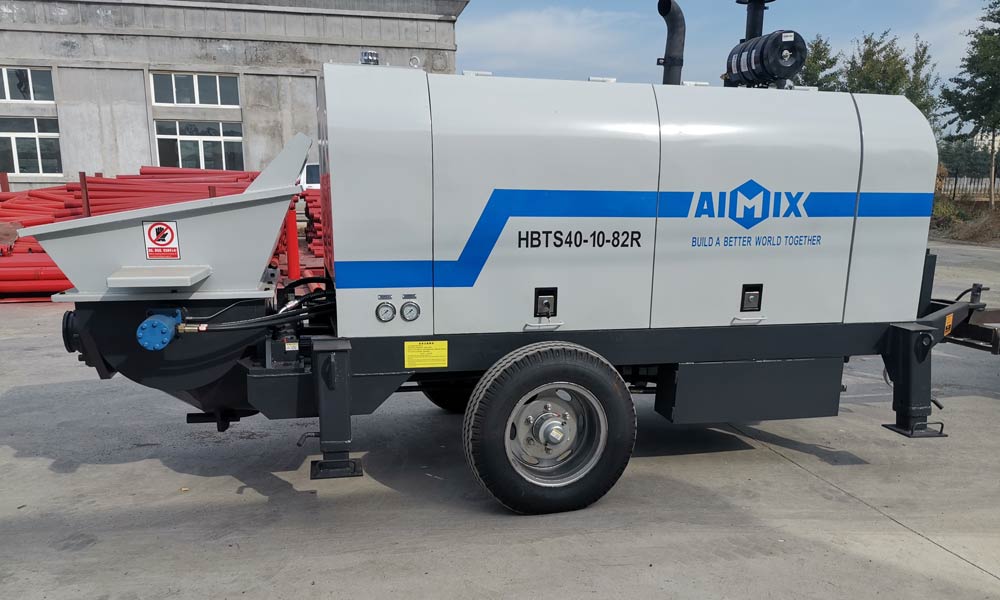
Underground construction projects in Singapore place unusual demands on concrete pumping equipment. Tunnelling, basement construction, MRT-related works, utility infrastructure, and deep foundation projects often require concrete to travel through restricted access routes, vertical shafts, long pipelines, or congested work zones. Under these conditions, the purchase price of a concrete pump is only one component of the overall cost. Pumping distance, required pressure, output capacity, equipment configuration, operating hours, maintenance, and site accessibility can all influence the final expenditure. For contractors comparing a concrete pump Singapore solution, understanding these cost drivers is essential. A low-priced machine may become expensive if it cannot maintain stable output under demanding pumping conditions or requires frequent maintenance. Conversely, a properly matched pump may command a higher initial investment while reducing operational interruptions and improving concrete placement efficiency. The most economical choice is therefore determined by the entire pumping operation rather than the equipment price alone.
How Underground Conditions Influence Concrete Pump Costs
Pumping Distance and Pressure Requirements
One of the strongest cost drivers is the distance concrete must travel from the pump to the placement point. Underground projects can involve considerable horizontal pipeline lengths combined with vertical pumping through shafts. As the pipeline becomes longer or more complicated, resistance to concrete flow increases. The pump must generate sufficient pressure to maintain a stable delivery rate without excessive mechanical strain. A project with a short, relatively direct pipeline may require a different pump configuration from a deep excavation where concrete must be transported through multiple vertical and horizontal sections.
Pipeline Configuration Matters
Pipeline diameter, bends, reducers, elevation changes, and the total length of the delivery route all affect pumping requirements. Each bend introduces additional resistance, while poorly planned pipeline layouts can create unnecessary pressure losses. For this reason, pump selection should be based on the actual pipeline arrangement rather than capacity alone.
Required Concrete Output Determines Equipment Size
Underground projects can have very different concrete consumption rates. A small basement section may require intermittent pumping, while a large foundation or tunnel lining operation can demand continuous concrete placement for extended periods. Higher output requirements generally require equipment with greater pumping capacity and an appropriate power system. However, maximum theoretical capacity should not automatically dictate the purchase decision. An oversized pump may increase acquisition, fuel, maintenance, and operating costs without providing meaningful productivity gains if the project rarely approaches its maximum output.
Why Pump Configuration and Site Accessibility Affect Total Costs
Stationary Pumps Suit Long-Term Underground Operations
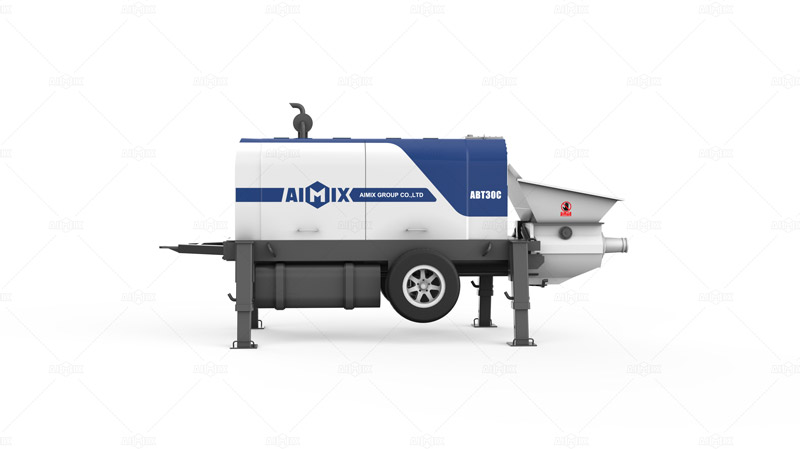
A stationary concrete pump Singapore solution can be appropriate when the pump will remain at a relatively fixed position for an extended construction period. Stationary pumps can be connected to dedicated pipelines and positioned strategically near shafts, excavation areas, or other concrete placement zones. This arrangement can provide stable pumping performance while reducing the need to repeatedly reposition the main pumping unit. For deep excavation and underground infrastructure projects, the ability to establish a controlled pumping station can be particularly useful.
.jpg)
Restricted Access Can Increase Installation and Operating Costs
Underground sites often have limited working space. Equipment may need to pass through narrow entrances or operate alongside cranes, excavators, reinforcement crews, ventilation systems, and temporary structures. This creates additional logistical considerations. A pump that is technically capable of delivering the required concrete may still be unsuitable if it cannot be positioned safely or connected efficiently to the pipeline system.
Compact Equipment Can Reduce Site Conflicts
Where space is severely restricted, compact pumping equipment can simplify positioning and maintenance access. However, compactness should not come at the expense of the pressure and output required for the project. The ideal configuration balances physical dimensions with hydraulic performance.
Pipeline Installation Becomes Part of the Cost Equation
Concrete pumping is not simply a machine-level operation. The delivery pipeline is an integral part of the system. Underground projects may require pipes to pass through shafts, around structural elements, or along temporary access routes. Installation labor, supports, cleaning, relocation, and eventual removal can all contribute to project costs. A well-designed pipeline layout can reduce unnecessary bends and shorten the pumping route, improving overall efficiency.
Maintenance, Concrete Mix, and Operating Conditions Also Matter
Concrete Mix Design Influences Pumping Performance
Concrete is not a uniform material from a pumping perspective. Aggregate size, grading, slump, cement content, admixtures, and water-to-cement ratio can influence flow characteristics. A mix containing unsuitable aggregate proportions may increase the risk of blockage, while excessively stiff concrete can demand greater pumping pressure. Therefore, the pump should be selected alongside the intended concrete mix rather than treated as an independent piece of equipment.
Maintenance Costs Accumulate During Long Underground Projects
Underground construction can involve long operating hours and demanding working conditions. Pumping components experience continuous wear, particularly in areas exposed to abrasive aggregate and high-pressure concrete flow. Wear plates, cutting rings, pistons, delivery pipes, and other components may require periodic inspection or replacement.
Spare Parts and Technical Support Matter
A machine with an attractive initial concrete pump price can become costly if replacement parts are difficult to obtain or technical support is slow. For contractors evaluating a concrete pump supplier Singapore, local or accessible after-sales support should therefore form part of the purchasing assessment. Faster troubleshooting can reduce downtime, while readily available wear components can help maintain production continuity.
Fuel and Power Consumption Affect Long-Term Economics
The operating cost of a pump extends throughout the project. Diesel consumption or electrical power requirements can become substantial when equipment operates for long shifts over many months. The actual cost depends on pumping pressure, output, operating hours, engine or motor efficiency, and site conditions. A pump that operates efficiently at the project's normal working load can provide better lifecycle economics than a machine selected purely according to its maximum output specification.
The Lowest Concrete Pump Price Is Not Always the Lowest Project Cost
For underground construction in Singapore, concrete pump cost is shaped by a combination of technical and logistical variables. Pumping distance determines pressure requirements. Concrete output influences equipment size. Pipeline configuration affects hydraulic resistance. Site accessibility affects installation and positioning. Concrete mix characteristics influence pumping behavior, while maintenance and technical support determine how reliably the equipment performs over time. This means contractors should evaluate the complete cost structure before selecting a concrete pump Singapore solution. A stationary concrete pump may be advantageous for long-term, fixed-position underground operations, while other configurations may be better suited to projects requiring greater mobility. The appropriate choice depends on the depth, pumping distance, concrete volume, work schedule, site geometry, and pipeline arrangement. Ultimately, effective pump selection is an exercise in matching equipment to the physical realities of underground construction. When capacity, pressure, pipeline design, accessibility, maintenance, and operating costs are assessed together, contractors can avoid paying for unnecessary performance while ensuring that the pumping system remains capable of delivering concrete consistently throughout the project.


