The market for self-loading concrete mixers across the African continent is not monolithic. It is a complex and fragmented landscape where pricing is a direct function of localized economic policies, logistical hurdles, and the varying maturity of national construction sectors. A unit with a seemingly identical specification can carry a price differential of tens of thousands of dollars depending on whether it is destined for a port in South Africa or a project site in landlocked Ethiopia. Understanding these self loading concrete mixer price trends requires an analytical dissection of regional demand drivers, supply chain mechanics, and fiscal regimes. This examination of key markets—Ethiopia, Ghana, Kenya, and South Africa—provides a comparative framework to discern not just current price points, but the underlying forces that will dictate future cost trajectories for contractors and developers.
The African Construction Landscape and Demand Drivers
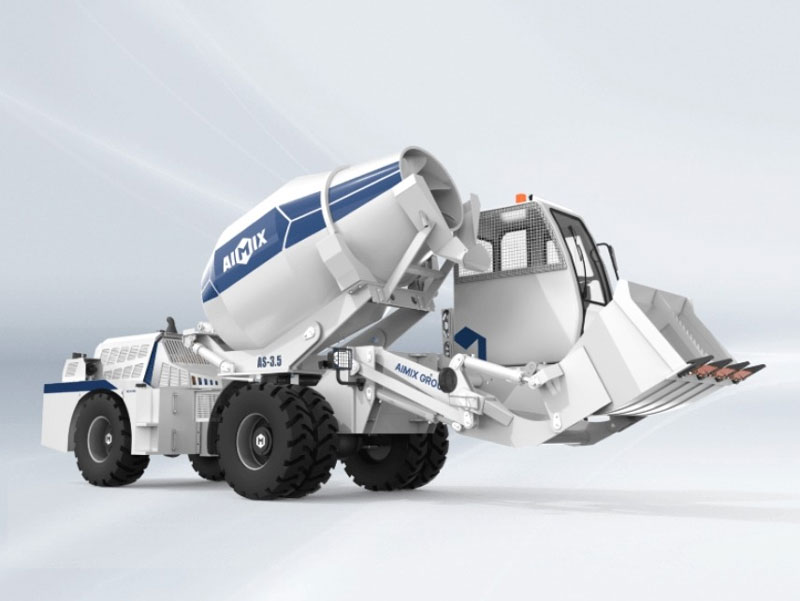
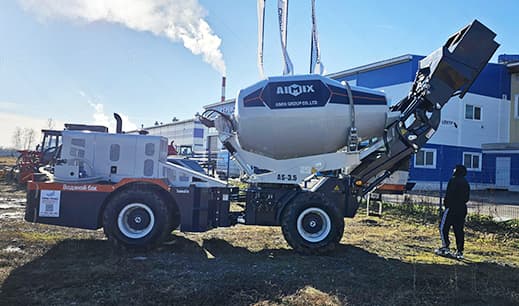
The continent's sustained infrastructure deficit and rapid urban expansion are the fundamental engines of demand for construction equipment. Governments are prioritizing road networks, energy projects, and public housing. This public sector expenditure, often funded by international development finance, creates a baseline demand for efficient concrete production. Concurrently, private real estate development in urban centers is accelerating. The self-loading mixer occupies a specific niche within this demand. Its value proposition is particularly potent in environments characterized by limited access to traditional stationary batching plants, unreliable support for dedicated transit mixer fleets, and projects with challenging site access. The machine’s autonomy—its ability to self-load aggregates, mix, transport, and place concrete with a single operator and minimal supporting infrastructure—resonates deeply in markets where operational simplicity and flexibility are paramount. This utility ensures sustained demand, but the cost of acquiring the machine varies dramatically.
Market Dynamics and Price Determinants
Several universal factors heavily influence the landed price of a self-loading mixer in any African country. Import duties and tariffs constitute the most significant and variable cost adder. Countries with aspirations to develop local manufacturing impose higher duties on fully-built units to protect nascent industries. Logistics costs, especially for landlocked nations, involve not just sea freight but complex overland haulage through multiple transit corridors, each layer adding expense and risk. Currency volatility is a persistent concern; depreciation against major currencies like the US dollar or Euro can swiftly erode purchasing power and cause quoted prices to escalate between order and delivery. Finally, the source of the equipment itself creates price stratification. Brand-new machines from OEMs command a premium. Used or reconditioned units from Europe or the Middle East offer a lower entry point. An emerging trend is the semi-knock-down (SKD) or complete-knock-down (CKD) assembly within Africa, which can alter the duty structure and final cost.
Regional Price Analysis: A Four-Country Examination
In Ethiopia, prices are among the highest on the continent. This is due to a combination of protective import tariffs designed to encourage local industry and the formidable logistics chain required to move equipment from the Djibouti port to project sites inland. The government’s previous focus on large-scale, state-led infrastructure projects created demand for higher-capacity equipment, but foreign currency shortages often constrain actual purchases. The market sees a mix of new Chinese-origin machines and a limited number of expensively transported used European models, with overall concrete mixer price in Ethiopia inflated by these systemic costs.
Ghana presents a more mature and open market. Its stable port infrastructure in Tema and competitive environment among multiple dealerships have created a dynamic pricing landscape. While import duties apply, the volume of equipment flowing through the country, catering not only to domestic demand but also to neighboring markets, fosters competition. Customers have clear options between new brands from various origins and a steady supply of quality used machines. This competition exerts a moderating pressure on prices, making Ghana one of the more price-transparent markets in West Africa, though fluctuations are tied closely to the value of the Ghanaian cedi.
Kenya, with the port of Mombasa, operates as the primary gateway for equipment into East Africa and the Great Lakes region. Nairobi is a hub for equipment auctions and reconditioning workshops. Consequently, Kenya has a deeply established market for used and reconditioned self-loading mixers. This creates a wide price band. A nearly-new reconditioned unit can be sourced competitively, while brand-new models are available at standard import-inflated prices. The market is sophisticated, with buyers often weighing the lower capital outlay for a used unit against the perceived risk of reliability and the cost of potential refurbishment.

South Africa stands apart as the continent’s most saturated and competitive secondary market. Its long history of equipment imports and a well-developed financing sector have led to an abundance of both new and used machines. The result is a general depression of concrete mixer prices in South Africa, particularly for used equipment. A five-year-old self-loading mixer in South Africa will often be priced significantly lower than a comparable unit in West or East Africa, even after accounting for transport. However, sourcing from South Africa for deployment elsewhere introduces its own logistics costs. The domestic market is sensitive to the country’s economic cycles, with prices softening during periods of low construction activity.
The Trajectory of Future Pricing
Looking ahead, two major forces will shape price trends. The first is the push for local assembly and manufacturing. Initiatives in countries like Nigeria, Rwanda, and Kenya to assemble machinery from CKD kits aim to reduce reliance on imports, create jobs, and theoretically lower costs. The success of these ventures in achieving economies of scale will directly impact long-term pricing in their respective regions. The second force is macroeconomic. Persistent inflation, currency weaknesses, and global supply chain costs for components will continue to exert upward pressure on the price of new equipment. Conversely, economic slowdowns in Europe may increase the supply of low-hour used machines entering the African market, providing a countervailing force that keeps a ceiling on prices for pre-owned assets. The price trend will likely be a diverging one, with new equipment becoming more expensive due to macro factors, while the used market remains fluid and regionally specific.
Strategic Procurement Recommendations
For a contractor or buyer, navigating this market requires a strategic approach focused on total cost of ownership, not just initial purchase price. A cheaper machine with no reliable local dealer for parts and service represents a false economy. The cost and downtime associated with waiting weeks for a critical hydraulic component can eclipse any initial savings. Due diligence must extend to evaluating the strength of the manufacturer’s or distributor’s after-sales network in the target country. Financing terms are also crucial; local leasing options or manufacturer-supported financing can provide more stability than navigating volatile forex markets for a cash purchase. Ultimately, the decision must be informed by a clear analysis of the machine’s intended use, the local support ecosystem, and a holistic financial model that includes duty, logistics, financing, and maintenance. The market price is the starting point for negotiation, but the true cost is determined over the lifespan of the machine in its operating environment.


