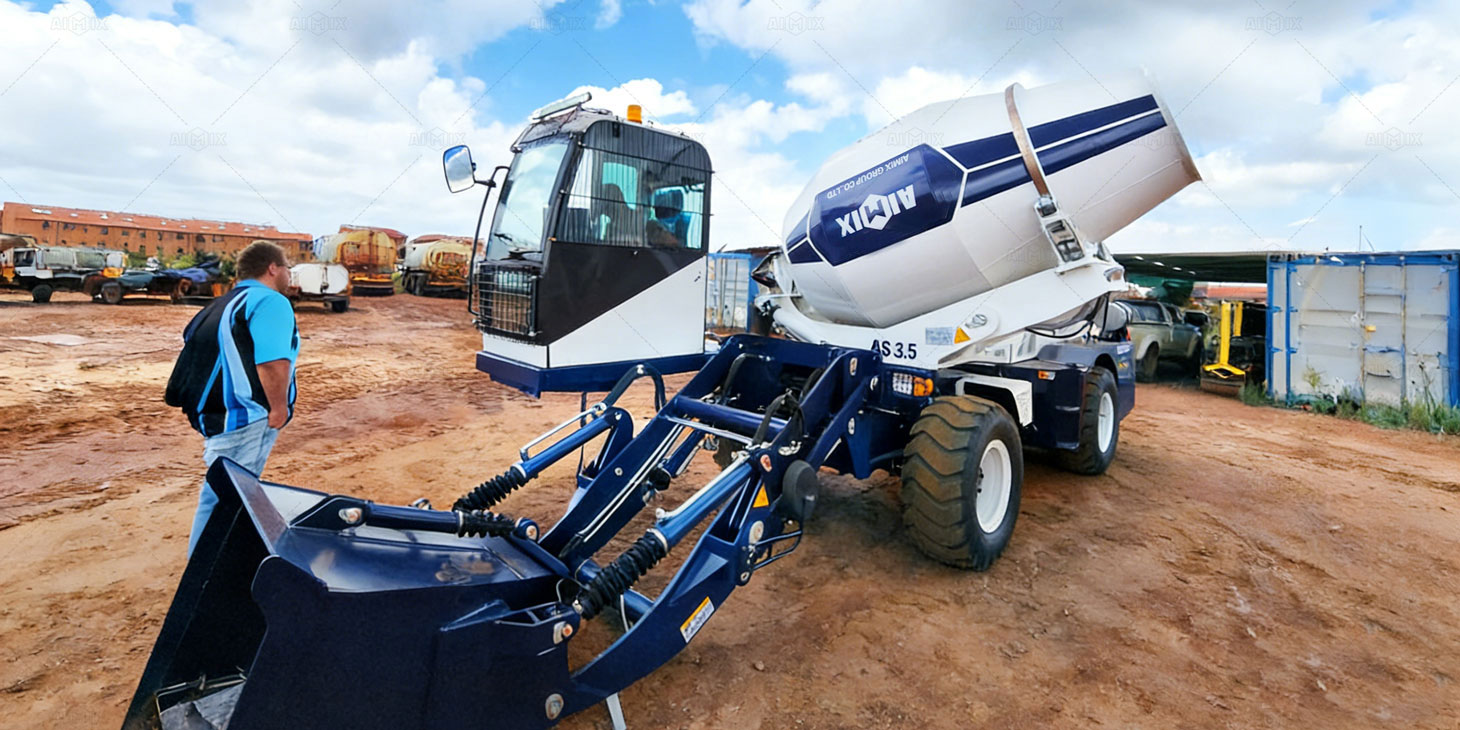
The procurement of concrete mixing equipment in Nigeria requires a nuanced understanding of market dynamics, equipment specifications, and total cost of ownership. The price spectrum for quality concrete mixers spans a considerable range, influenced by factors including production capacity, power source, level of automation, and brand reputation. A comprehensive self loading concrete mixer price analysis must distinguish between initial acquisition costs and long-term operational expenditures to provide a accurate assessment of equipment value. The Nigerian market presents unique considerations, including import duties, currency exchange volatility, and varying levels of after-sales support, all of which significantly impact the final investment required. This guide provides a detailed examination of concrete mixer pricing, enabling informed decision-making for contractors and construction firms operating within Nigeria's dynamic economic environment.
Price Segmentation by Equipment Type and Capacity
The concrete mixer market in Nigeria is segmented into distinct price categories based on equipment type and production capacity. Manual pan mixers, suitable for small-scale projects and artisanal use, represent the entry-level price point, with prices typically ranging from ₦300,000 to ₦700,000. These units offer basic functionality with limited production capacity, typically under 5 cubic meters per day. Reversing drum mixers, available in both tilting and non-tilting configurations, constitute the mid-range market segment. Prices for these units range from ₦800,000 to ₦2,500,000, depending on drum capacity and power source. These mixers offer higher production capacities, typically between 10 and 30 cubic meters per day, making them suitable for medium-sized construction projects.

The premium segment of the market is dominated by self-loading concrete mixers and stationary batching plants. Self-loading mixers, which combine mixing and loading functions in a single mobile unit, command prices ranging from ₦4,000,000 to ₦8,000,000. These units offer production capacities of 20-40 cubic meters per day with minimal manual labor requirements. Stationary batching plants represent the highest capacity and most expensive option, with prices starting at ₦6,000,000 and exceeding ₦20,000,000 for high-capacity automated systems. These plants are designed for large-scale commercial and infrastructure projects, offering production capacities exceeding 50 cubic meters per hour. The price differentials between these segments reflect not only production capacity but also the level of automation, material handling capabilities, and operational efficiency offered by each equipment type.
Key Factors Influencing Concrete Mixer Pricing
Several critical factors determine the final price of concrete mixers in Nigeria market, creating significant price variations even within the same equipment category. Production capacity is the primary determinant, with prices increasing proportionally with mixer volume. A 500-liter mixer typically costs 40-60% more than a 250-liter model of the same type, reflecting the increased material requirements and structural reinforcement needed for higher-capacity units. The power source represents another significant cost factor. Electric-powered mixers generally command a 10-20% premium over equivalent diesel-powered models due to their more complex motor and control systems. However, diesel engines offer operational advantages in areas with unreliable electricity supply, making them a preferred choice for many Nigerian contractors despite the lower initial cost of electric models.
The level of automation and control system sophistication significantly impacts equipment pricing. Basic manual control systems add minimal cost, while semi-automated and fully automated systems can increase the price by 15-40%. Automated systems provide precise control over mixing time, water-cement ratio, and material proportions, improving concrete quality and reducing material waste. Brand reputation and country of origin also influence pricing, with European and American brands typically commanding a 20-50% premium over Chinese and Indian manufacturers. This price differential reflects differences in build quality, component reliability, and after-sales support. Import duties and customs clearance fees add 10-25% to the landed cost of imported equipment, while local assembly can reduce these costs by 5-15%. These factors collectively create a complex pricing landscape that requires careful analysis to determine the optimal equipment selection for specific project requirements and budget constraints.
Total Cost of Ownership Analysis
A comprehensive assessment of concrete mixer economics must extend beyond the initial purchase price to encompass the total cost of ownership over the equipment's operational lifespan. The initial acquisition cost typically represents only 40-60% of the total cost, with operational expenses constituting the remaining significant portion. Fuel or electricity consumption represents a major ongoing cost, with diesel-powered mixers consuming 5-10 liters per hour depending on engine size and load conditions. Maintenance costs vary substantially between equipment types, with simpler manual mixers requiring minimal maintenance while complex automated systems necessitate regular servicing and parts replacement. The availability and cost of spare parts in Nigeria significantly impact maintenance costs, with parts for European and American brands often costing 30-100% more than equivalent parts for Asian manufacturers.
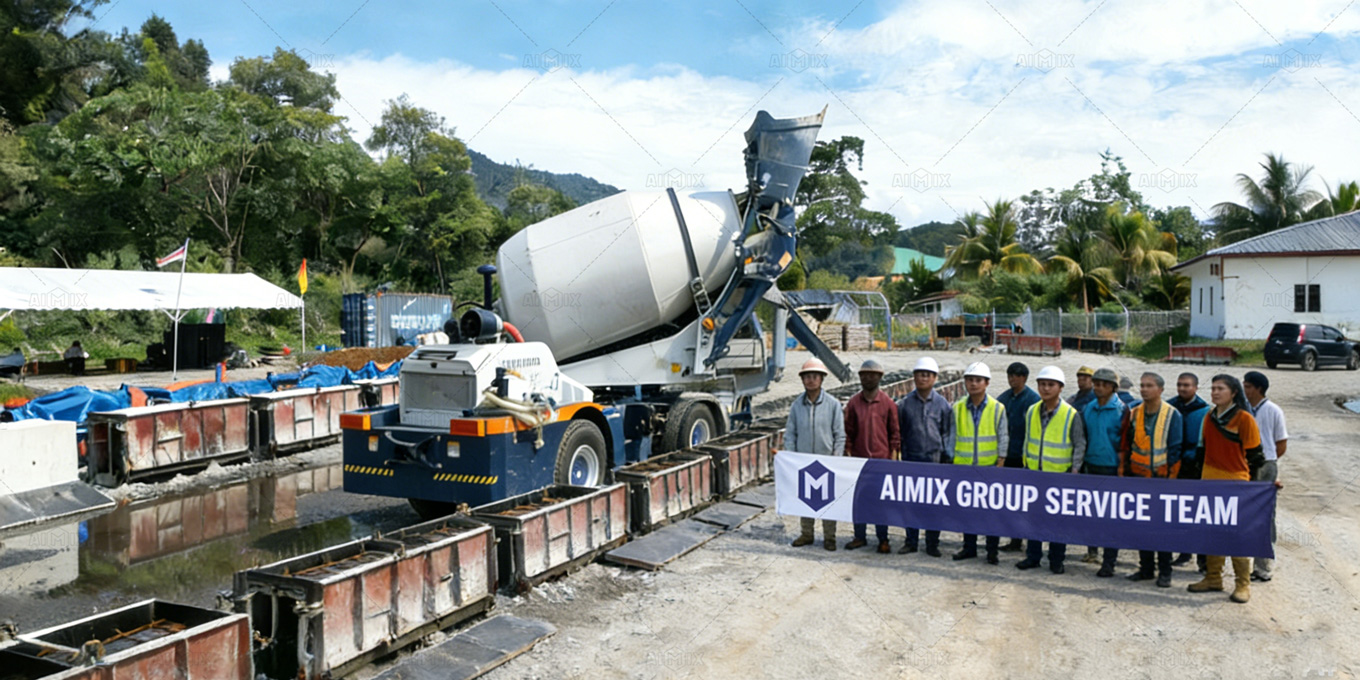
Equipment lifespan and residual value are critical components of the total cost of ownership calculation. High-quality self loading concrete mixer from reputable manufacturers typically offer service lives of 5-10 years with proper maintenance, while lower-quality units may require replacement after 2-3 years. The residual value of quality equipment after 5 years of operation can be 30-50% of the original purchase price, significantly reducing the net equipment cost. Operational efficiency, measured in terms of labor requirements, material waste, and production consistency, also contributes to the total cost of ownership. Automated mixers can reduce labor requirements by 50-70% compared to manual operation, while precise batching systems can minimize material waste by 3-5%. These operational efficiencies translate into significant cost savings over the equipment's lifespan, often justifying the higher initial investment in quality equipment. A thorough analysis of these factors provides a more accurate assessment of the true cost of equipment ownership and enables more informed investment decisions.
Market Dynamics and Strategic Procurement Considerations
The Nigerian concrete mixer market is characterized by dynamic pricing influenced by currency exchange rates, import policies, and local market conditions. The volatility of the Nigerian Naira against major international currencies creates significant price fluctuations for imported equipment, with potential price variations of 10-30% within short timeframes. Changes in import duties, customs regulations, and port clearance procedures can also impact equipment costs, making it essential for buyers to stay informed about current trade policies. Local market competition among equipment suppliers can create opportunities for price negotiation, particularly during periods of low demand or when suppliers are seeking to clear inventory. The timing of equipment procurement can significantly impact the total investment required, with prices often lower during certain seasons or in response to specific market conditions.
Strategic procurement decisions should consider both immediate project requirements and long-term business objectives. For contractors with a diversified project portfolio, investing in versatile equipment that can handle various project scales and specifications may provide better long-term value than purchasing specialized equipment for a single project type. The availability of financing options, including equipment leasing and hire purchase arrangements, can make higher-quality equipment more accessible by spreading the capital outlay over time. The reputation and service capability of equipment suppliers should be carefully evaluated, as reliable after-sales support and readily available spare parts can significantly reduce operational risks and maintenance costs. A strategic approach to equipment procurement, considering both market dynamics and long-term business strategy, enables contractors to optimize their equipment investments and enhance their competitive position in the Nigerian construction market.


